Curious about the types of questions you might see on a Bryq assessment?
You're in the right place
All Bryq assessments are designed to be fair, focused, and practical — helping employers understand your real strengths without relying on guesswork or bias.



What we assess
Skills
Assesses the candidate’s performance across key hard, soft, hybrid, and job-specific skills relevant to the role.
Why it matters:
Enables hiring managers to quickly identify:
Which competencies the candidate already excels in
Areas that may require further development or training
Ideal for evaluating role alignment and planning onboarding or upskilling strategies.




Profile Fit
Key areas evaluated:
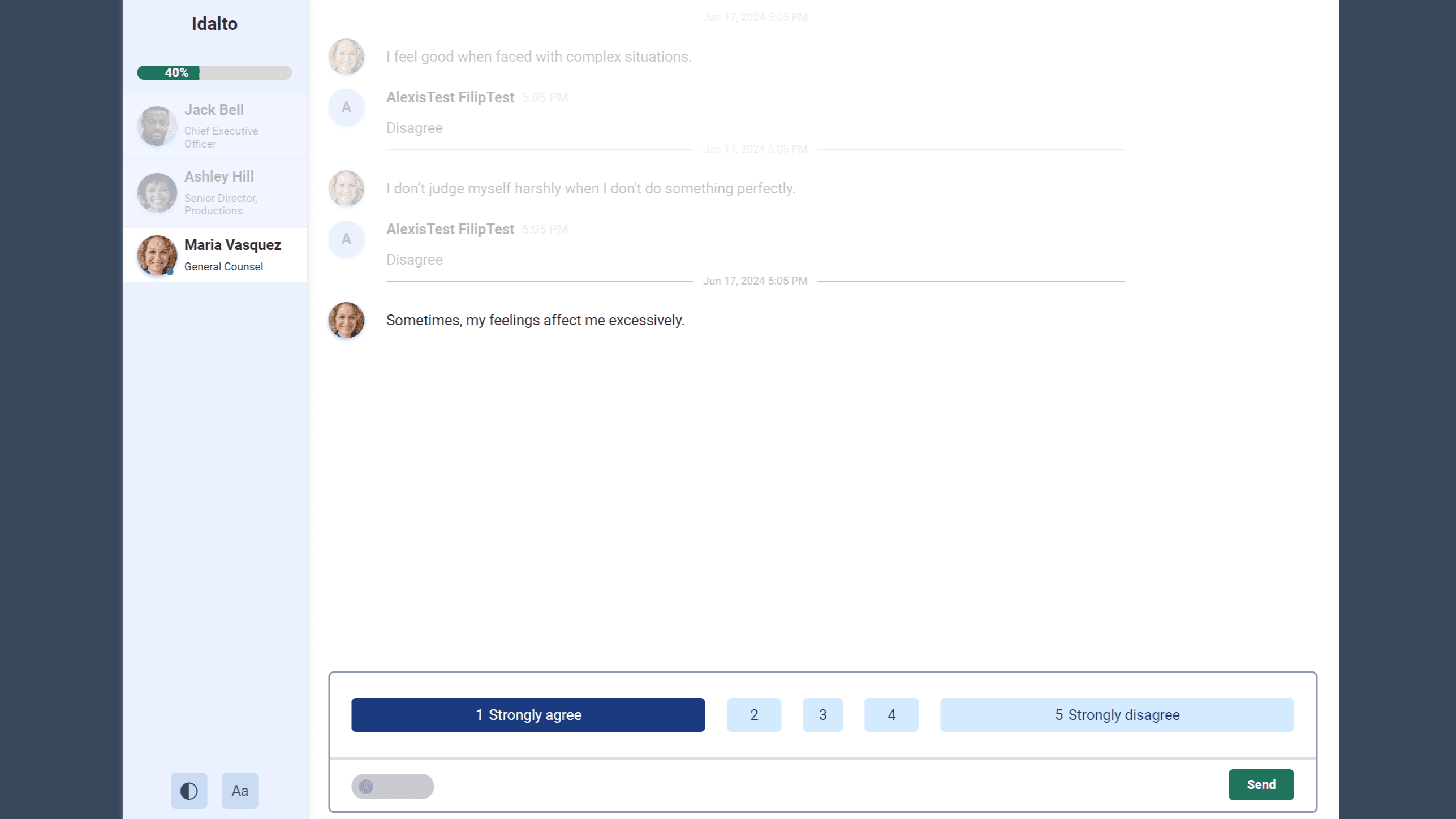
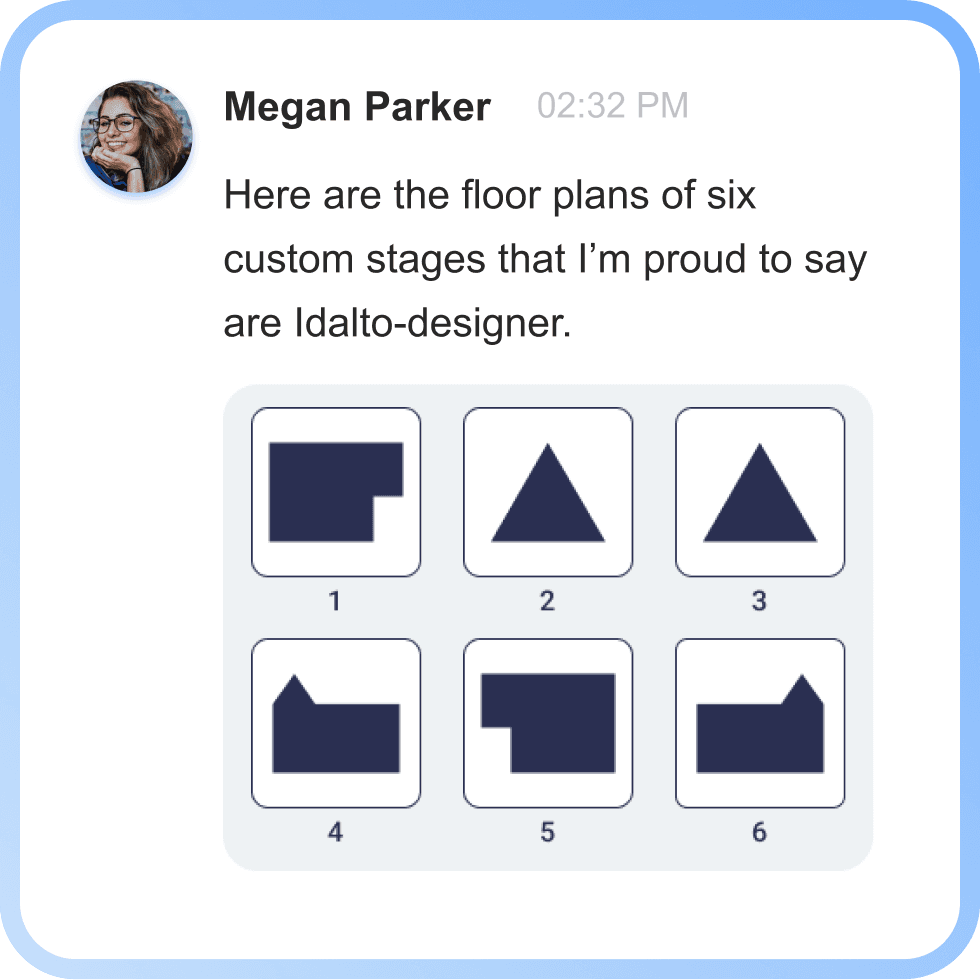
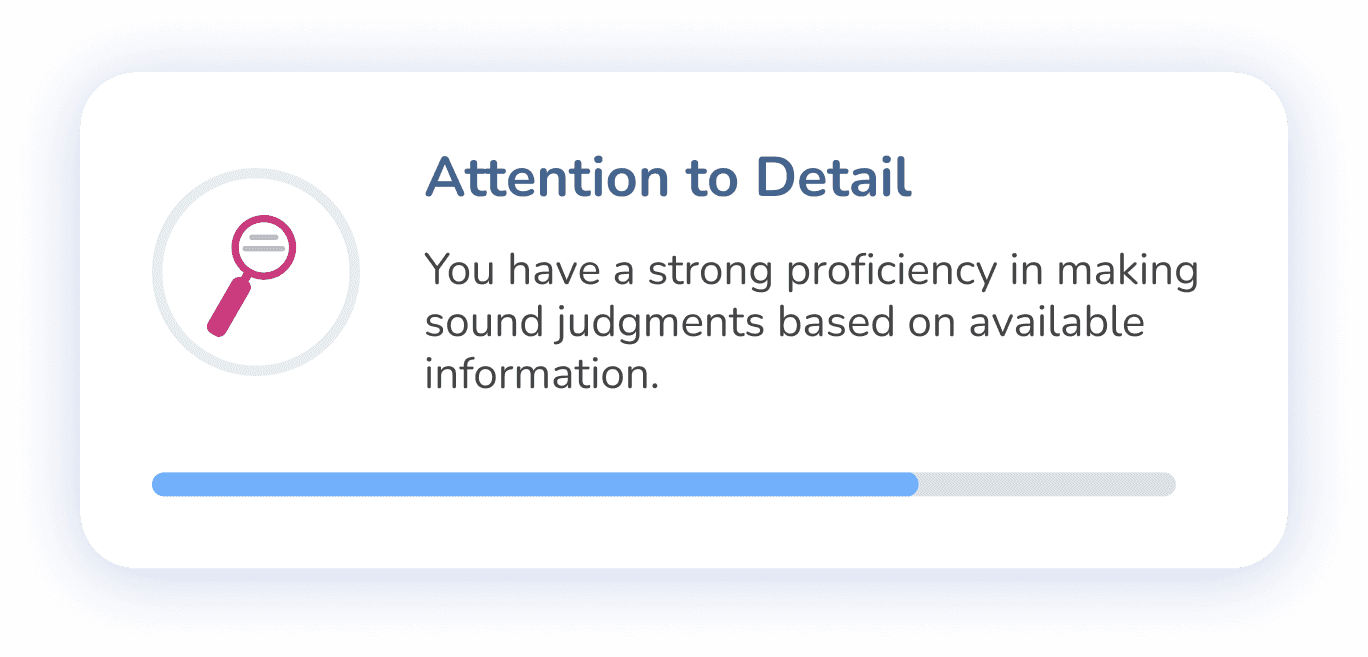
Cognitive attributes (e.g. logical reasoning, attention to detail, numerical reasoning)
Personality traits (e.g., Openness to change, Conscientiousness etc.)
Why it matters:
Provides a predictive view of the candidate’s potential for success in the role based on traits and cognitive compatibility.
Languages
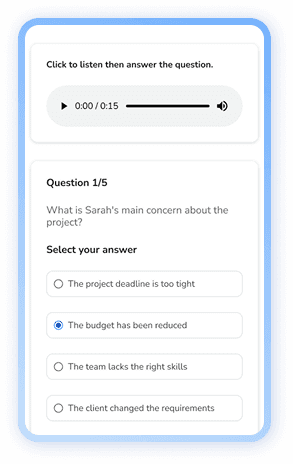
Assesses the candidate’s language proficiency across multiple dimensions aligned with CEFR levels, offering a standardized view of language skills.
Key areas evaluated:
Why it matters:
Provides a predictive view of the candidate’s potential for success in the role based on traits and cognitive compatibility.




AI Fluency
Key areas evaluated:
Cognitive attributes (e.g. logical reasoning, attention to detail, numerical reasoning)
Personality traits (e.g., Openness to change, Conscientiousness etc.)
Why it matters:
Provides a predictive view of the candidate’s potential for success in the role based on traits and cognitive compatibility.