AI SKILLS FOR HR

AI SKILLS FOR HR

Build a Structured Interview Kit

Build a Structured Interview Kit

The same fair interview for every candidate, with a scorecard that means something.

The same fair interview for every candidate, with a scorecard that means something.

What it does

Build a Structured Interview Kit is a free AI skill that turns a job description into structured interview questions for one stage: 3–5 criteria, a core question with probes for each, a 1–5 rating scale with anchors, timings and a scorecard. It's for recruiters and hiring managers, and works in Claude, ChatGPT, Microsoft Copilot and other AI Assistants.

You give it

You give it

  • A job description, hiring brief or agreed criteria

  • The interview stage and its length, for example a 45-minute hiring manager interview

  • Optional: the panel, a rating scale you already use, your adjustment process

You get

You get

  • 3–5 criteria for this stage, each named as something you can observe

  • One behavioural or situational core question per criterion, with 2–3 probes

  • A 1–5 rating scale with anchors for each criterion

  • Timings that add up to the interview length, plus opening and closing scripts

  • A scorecard, questions not to ask, and how to handle adjustment requests

How it helps

It builds the questions, rating anchors and scorecard together for one interview stage. If you have agreed criteria it uses them as given. If not, it proposes criteria from the must-haves, marked for your team to confirm.

Anchored rating scales

Every level from 1 to 5 describes what the answer sounds like for this role, so a "4" means the same to every interviewer. Anchors describe evidence, not personality.

The right question for the candidate's experience

Most questions ask for a real past example ("Tell me about a time…"). Where the candidate may lack direct experience, such as a first people-manager role, it asks what they would do in a real situation from the job. Probes dig for their own actions and results, not the team's.

Honest about what an interview can't show

If a must-have can't be tested well by talking, such as hands-on use of a tool, it suggests a short work sample with its own anchors instead.

Why we think it's useful

It drafts anchors for every criterion for you to review, so every interviewer works from the same page.

It drafts anchors for every criterion for you to review, so every interviewer works from the same page.

It drafts anchors for every criterion for you to review, so every interviewer works from the same page.

BEFORE

BEFORE

BEFORE

The hiring manager's request

The hiring manager's request

The hiring manager's request

Need an interview guide for the hiring manager round, 45 mins, Shift Team Lead at Fernhill Foods (warehouse, 12 people on a night shift). JD says: run the shift to plan, keep people safe, coach new starters, deal with problems when things go wrong (late trucks, no-shows), good with WMS, forklift licence nice to have. First line manager role is fine. Recruiter screen already checked licence and shift availability. Interviewer is Tomas (ops manager). Want it fair, last time every interviewer asked different stuff.

AFTER

AFTER

AFTER

One criterion from the finished kit

One criterion from the finished kit

One criterion from the finished kit

1. Handling disruption to the shift plan

Core question (behavioural): "Tell me about a shift where the plan fell apart, for example late deliveries or people not turning up. What did you do?"

Probes:

  • "What did you decide first, and why?"

  • "Who did you tell, and when?"

  • "How did the shift end, and what did you change afterwards?"

Rating

Rating

Rating

What the answer shows

What the answer shows

What the answer shows

5

5

5

Re-planned quickly using clear priorities, moved people deliberately, told the right people early, and fixed the cause afterwards

Re-planned quickly using clear priorities, moved people deliberately, told the right people early, and fixed the cause afterwards

Re-planned quickly using clear priorities, moved people deliberately, told the right people early, and fixed the cause afterwards

4

4

4

Level 3, plus clear priorities or follow-up on the cause

Level 3, plus clear priorities or follow-up on the cause

Level 3, plus clear priorities or follow-up on the cause

3

3

3

Kept the shift running and informed others, but acted mostly as things happened, with limited follow-up

Kept the shift running and informed others, but acted mostly as things happened, with limited follow-up

Kept the shift running and informed others, but acted mostly as things happened, with limited follow-up

2

2

2

Parts of level 3, but others had to step in or were told late

Parts of level 3, but others had to step in or were told late

Parts of level 3, but others had to step in or were told late

1

1

1

Waited for others to decide, or cannot describe their own actions

Waited for others to decide, or cannot describe their own actions

Waited for others to decide, or cannot describe their own actions

Not enough evidence

Not enough evidence

Not enough evidence

Too little to rate; not the same as 1. Note what is missing

Too little to rate; not the same as 1. Note what is missing

Too little to rate; not the same as 1. Note what is missing

Fictional company, role, candidate and people.

Get this skill

Free to use and adapt. Provided as is: AI tools don't always follow instructions, so check every output.

Free to use and adapt. Provided as is: AI tools don't always follow instructions, so check every output.

Free to use and adapt. Provided as is: AI tools don't always follow instructions, so check every output.

Which AI do you use?

Closing the predictive-validity loop requires structured pre-hire data on every requisition. Assessment scores. Behavioral profiles. Hard-skills signals including AI fluency. Without that dataset, you cannot correlate pre-hire signals with post-hire QoH. You cannot tune the next cohort sharper than the last. The hiring system stays static. The score drifts.

Bryq builds the pre-hire dataset that makes the loop possible.

Claude

ChatGPT

Microsoft Copilot

Something else (Gemini, Mistral and others)

Before you use: use an AI your company has approved, share only what the task needs (initials or IDs work), and check every draft.

Before you use: use an AI your company has approved, share only what the task needs (initials or IDs work), and check every draft.

Before you use: use an AI your company has approved, share only what the task needs (initials or IDs work), and check every draft.

Better with Bryq

Already use Bryq? Add your assessment results.

Link your Bryq account to your AI assistant, and five skills can include your candidates' Bryq results. For example, your debrief shows them next to the interview notes, and your follow-up questions focus on where the two differ. The link only reads data; it never changes anything in Bryq. Results you bring into a chat are shared with your AI provider, like anything else you paste in. Every skill works fully without it.

FAQ

Find answers to the most frequently asked questions

Yes, as given. If you have none, it proposes criteria from the must-haves, marked "proposed, confirm before use".
No. The rating scale is for your interviewers. Each interviewer scores every criterion on their own, with notes, before any debrief.
It means there was too little to rate, which is not the same as a weak answer. Interviewers note what is missing instead of giving a 1.
Three to five criteria for the stage, one core question per criterion with probes, a rating scale with anchors for each level, timings, opening and closing scripts, and a scorecard. A good kit also lists questions not to ask and how to handle adjustment requests. This skill drafts all of these for one interview stage.
Yes, it's free, and no Bryq account is needed. It works in Claude, ChatGPT, Microsoft Copilot and any other assistant you can paste instructions into.

Related skills

Build a Sourcing Plan

Build a Sourcing Plan

Build a Sourcing Plan

PREVIOUS STEP

PREVIOUS STEP

PREVIOUS STEP

Find the candidates before you interview them.

Find the candidates before you interview them.

Compare your shortlist on the criteria, not on gut feel.

Prepare Interviewers

Prepare Interviewers

Prepare Interviewers

NEXT HIRE

NEXT HIRE

NEXT HIRE

Turn this kit into a one-page brief for each interviewer.

Turn this kit into a one-page brief for each interviewer.

Turn this kit into a one-page brief for each interviewer.

All 12 AI skills for HR

All 12 AI skills for HR

All 12 AI skills for HR

Turn the must-haves into the same interview for every candidate.

Turn the must-haves into the same interview for every candidate.

Turn the must-haves into the same interview for every candidate.

Candidate completing the Bryq AI Fluency Assessment
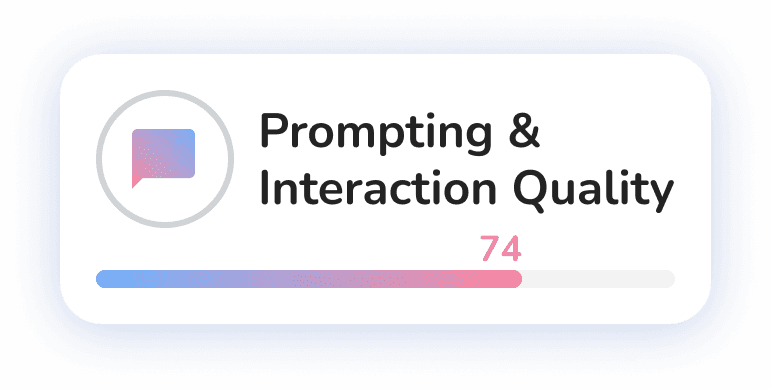
Prompting and Interaction Quality dimension score: 74
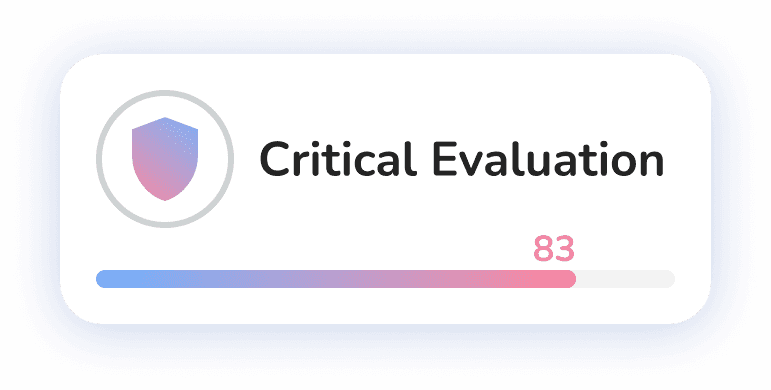
Critical Evaluation dimension score: 83
AI Fluency Assessment label
Pink AI Star
Blue AI Star
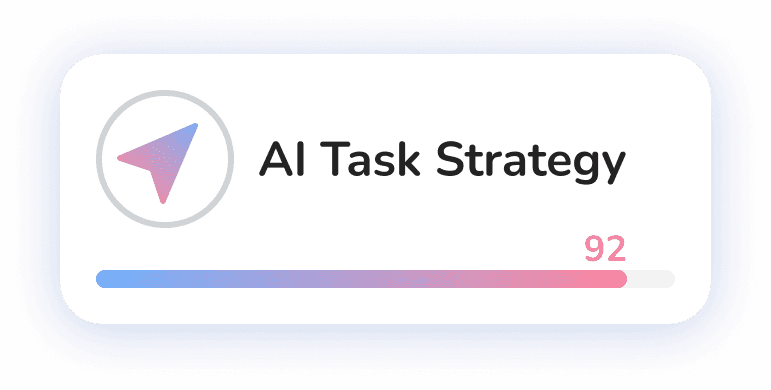
AI Task Strategy dimension score: 92

Hiring for AI fluency too?

Hiring for AI fluency too?

To see how well candidates and employees work with AI, visit the AI Fluency Hub: free tools, research and the framework Bryq uses to measure AI fluency.

To see how well candidates and employees work with AI, visit the AI Fluency Hub: free tools, research and the framework Bryq uses to measure AI fluency.

More on interviews from the Bryq blog

BLOG POST

How Structured Interviews Work: Examples and Tips

BLOG POST

20 Peer Interview Questions to Ask Candidates

BLOG POST

20 Critical Thinking Interview Questions

Better hiring starts
with better evidence.

Bryq measures cognitive ability, personality traits, and hard skills including AI fluency in one integrated candidate profile.

Better hiring starts
with better evidence.

Start hiring based on

real data.

Better hiring starts
with better evidence.

Bryq measures cognitive ability, personality traits, and hard skills including AI fluency in one integrated candidate profile.